Clever lighting, distilled

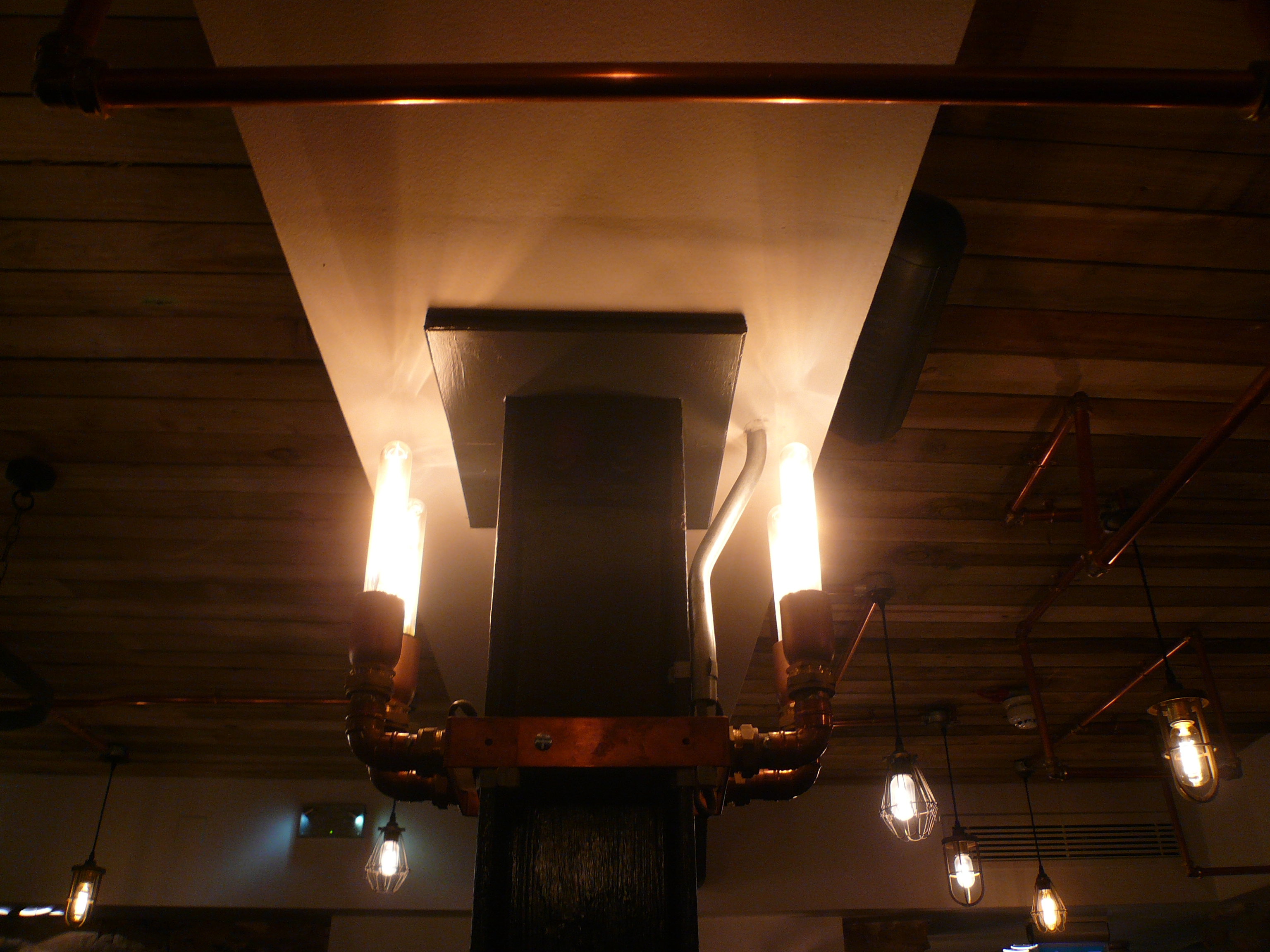
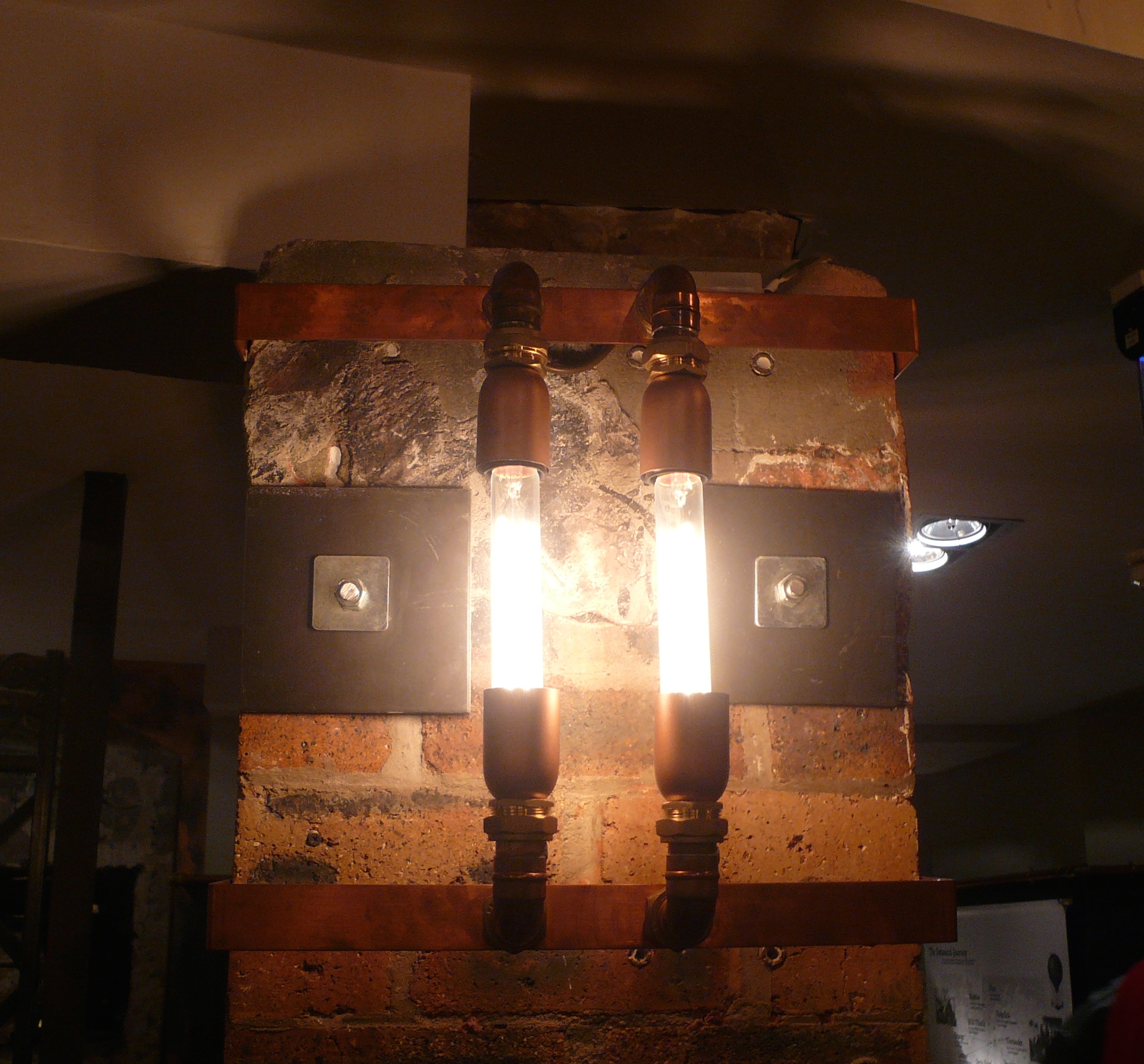
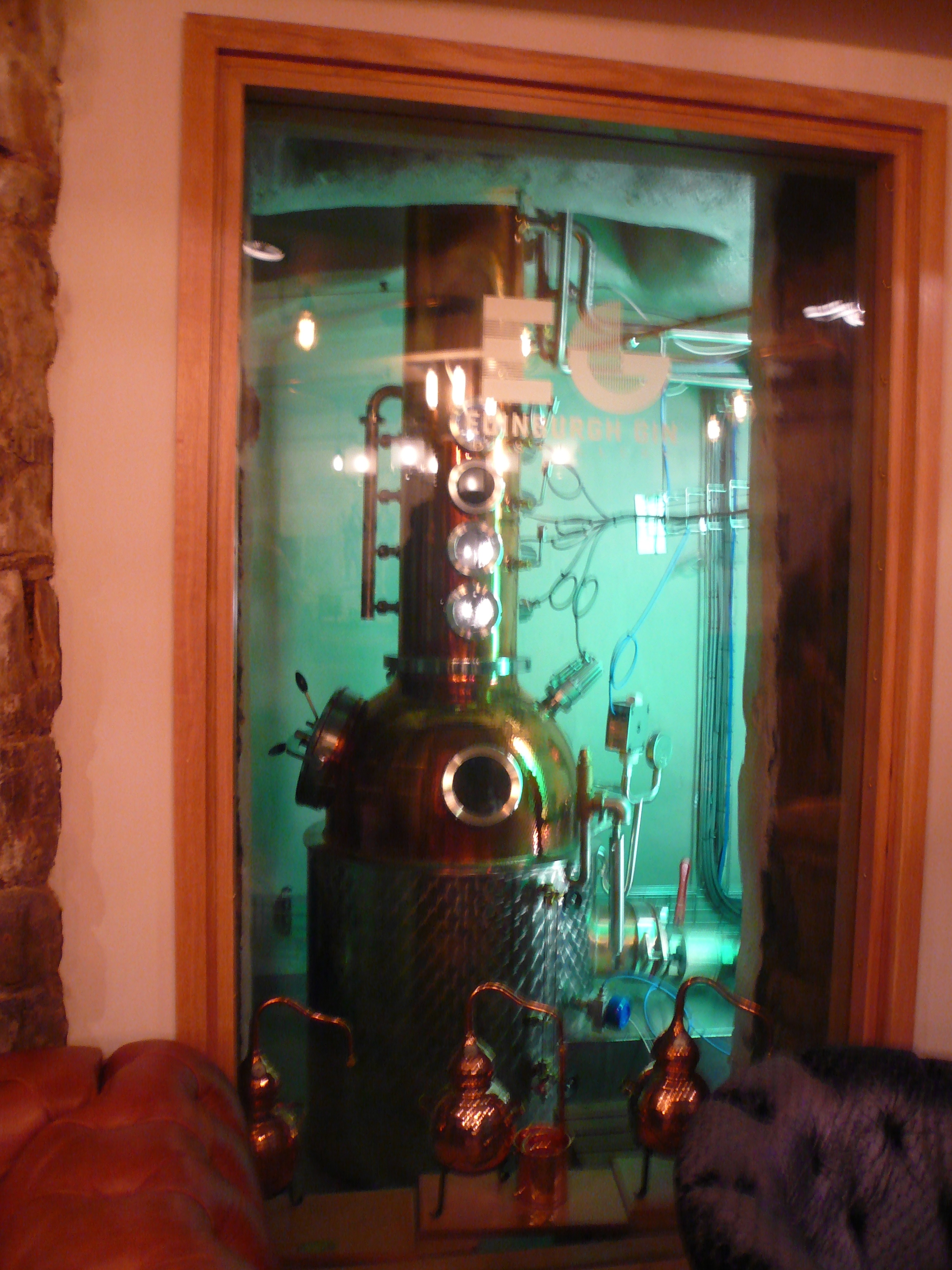
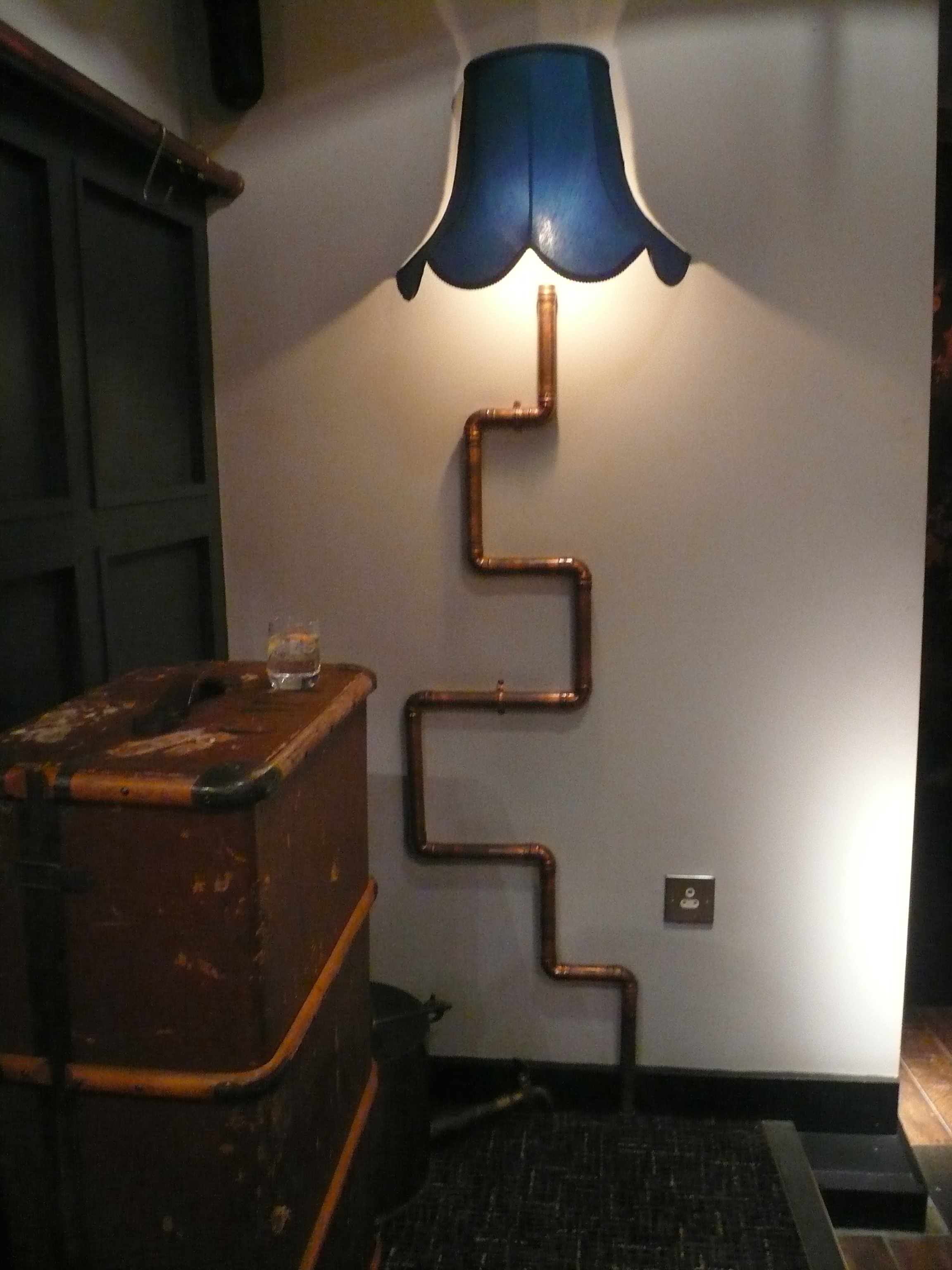
A couple of weeks ago we were lucky enough to go to the Edinburgh Gin Distillery, for a tour and the chance to make a bottle of our very own, customised gin! (You can imagine how excited we were about that, right?) The distillery is in the very centre of Edinburgh but as it’s only been open for a few months, and as they only make small batches of gin (inspired, they say, ‘by the majesty, marvel and mischief of Edinburgh and its inhabitants’) it’s not too well-known yet. It’s also underground and we were inspired by the clever lighting that’s been used – based on the copper pipes of the stills themselves. It’s in keeping with the theme and also gives a lovely glow.  Just in case you are not quite sure what a gin still looks like, here is Edinburgh Gin Distillery’s Caledonia still: P1030613 And here are some examples of the clever lighting. This is a cosy seating area with a freestanding lamp made from copper tubing: P1030618 - Version 2 Here copper tubing has been used to make a wall lamp that looks like a floor lamp: P1030617 Two examples of wall lights: P1030614
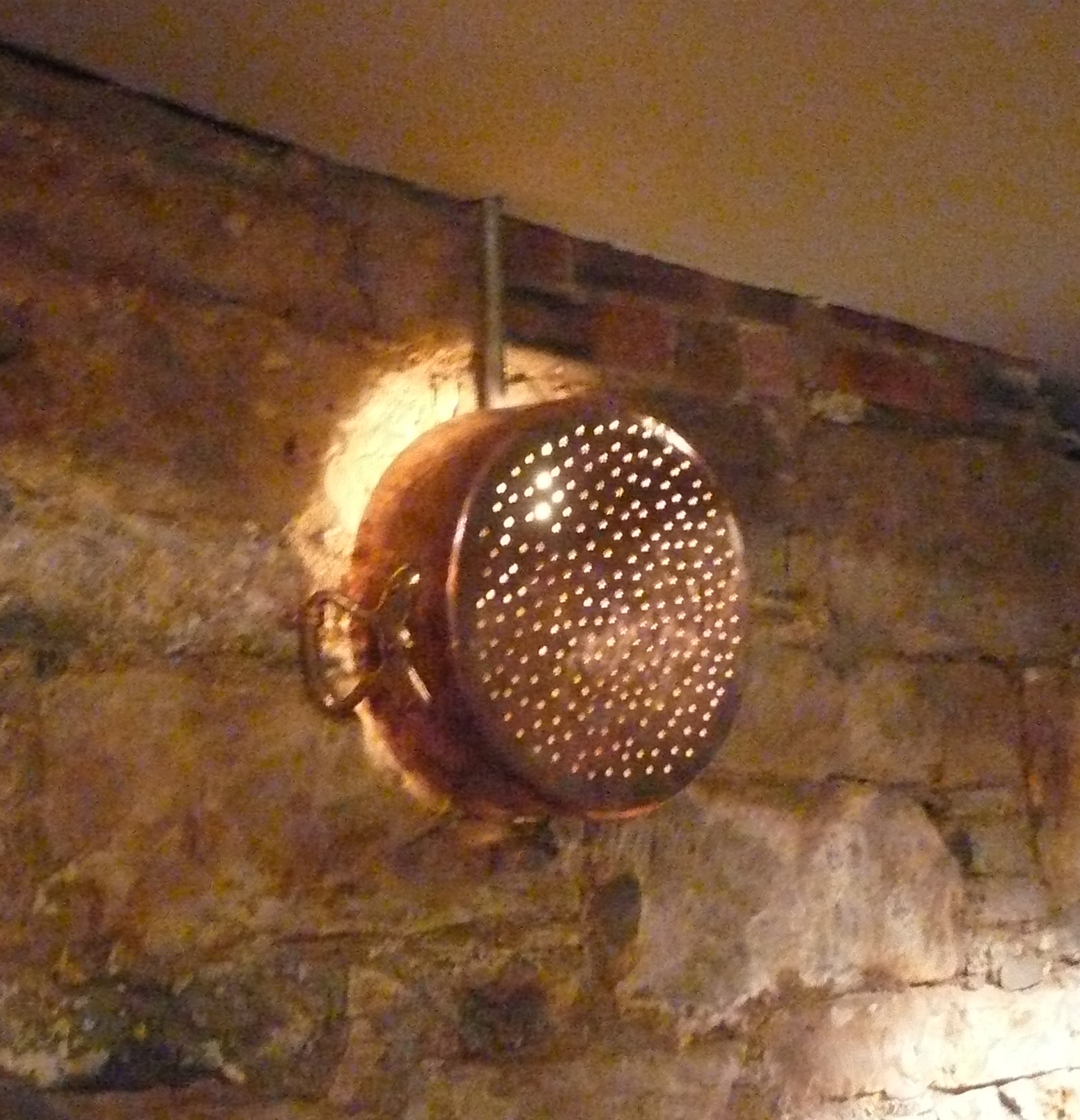
P1030616 - Version 2 And finally (probably the easiest to copy at home), a light shade made from a perforated copper saucepan:
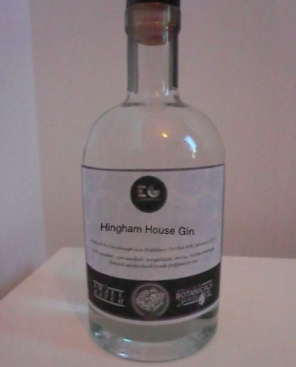
P1030615 But enough about the lighting, what about the gin? That’s very good too – and the lovely people there were keen for us to sample it. We tried the Canonball, Spiced Orange, Edinburgh’s Christmas Gin and the three liqueur gins (elderflower, raspberry and rhubarb & ginger). All of them were delicious but the biggest treat was making our own. The base flavours are juniper, coriander, angelica and orris – but then we got to choose the other flavours from a wide array. We chose bitter orange, pink peppercorns and fennel seeds – luckily we had help from the lovely distiller who was able to add just the right amount of each. By the time we’d had a tour of the distillery and a gin and tonic, our bottle was ready. Cheers! Screen Shot 2015-01-29 at 16.54.13
Why not smile at a crocodile?

OK, so received wisdom is against it but why not? At least when we are talking about mock-croc effect!

We got new bedroom curtains recently – well, actually before Christmas but we’ve just been too busy to talk about them until now. Here they are:

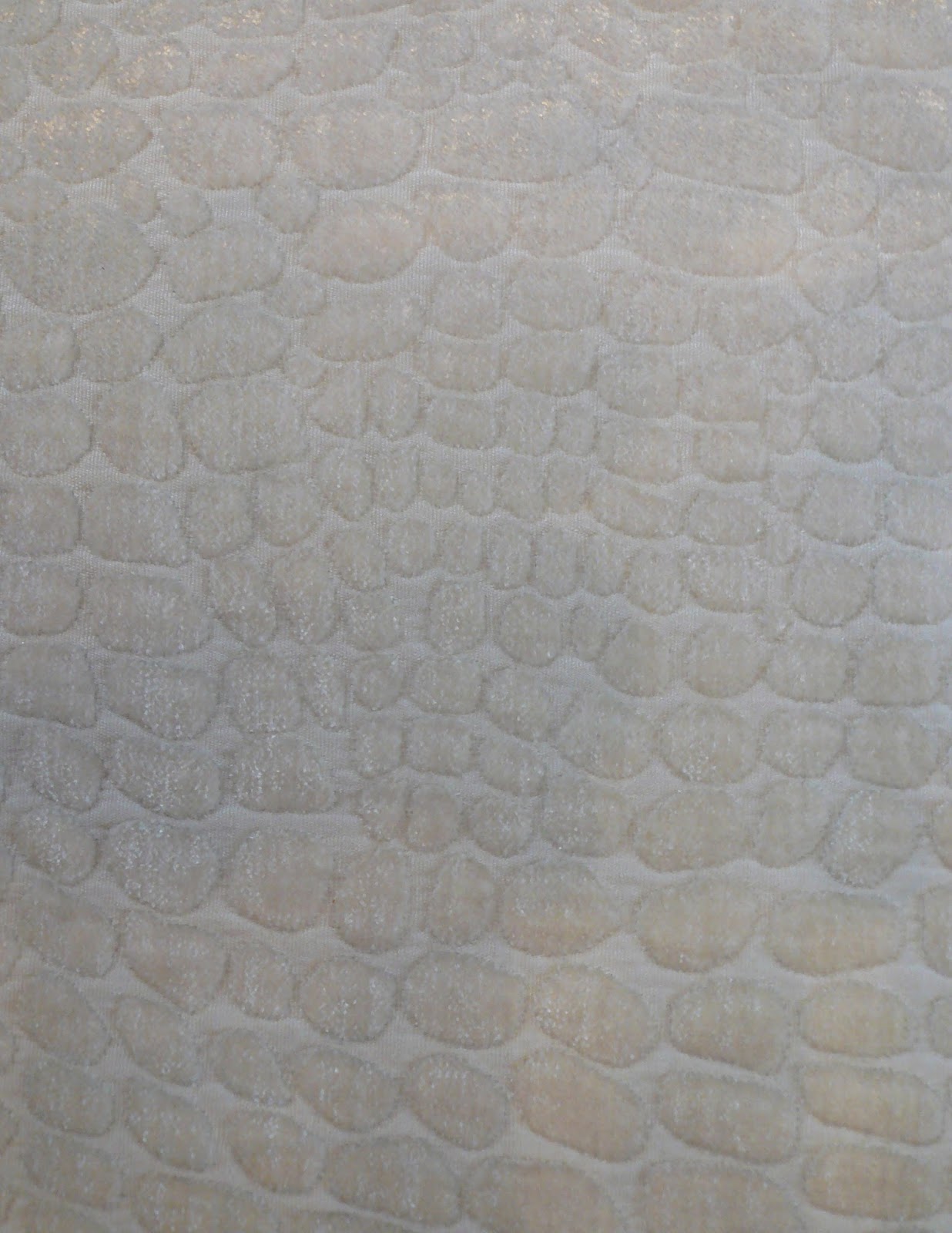
From the photo, they look like they are a plain pinky-cream fabric (it’s a combination of lighting, less than professional photography) so here is a close up which shows the pattern and the colour more accurately:
The fabric is made by a company called Fibre Naturelle Ltd. It’s called ‘Marble’ (although it is clearly a reptile skin print) from their Milano range and It comes in a range of colours – this one is ‘almondie’. 
The curtains themselves were made by a company called Cotton and Chintz and the service from them was excellent. Julie brought round loads of samples, measured the windows and then came back to fit them when the curtains were made. It was all very friendly and efficient – and the price was highly competitive too!
We like them so much that we’re beginning to regret not having these tiles in the bathroom:
They are Crocodile in white, from Topps Tiles
So we are definitely smiling at a crocodile at the moment – is it just us or is this going to be a bit of a thing this year?

The view from the fence

Can you remember back past Christmas and New Year to the beginning of December? We know, seems like ages ago. Back in the first week of December, Pantone (the colour systems and technology people) revealed tha18-1438 Marsala is its colour of the year 2015. They think, based on analysis of current trends in various areas that this is the colour we are all going to want for furnishings, interiors, design, fashion and beauty.
 
Pantone provides accurate colour references but basically it’s a rich, pinky-brown. Lots of people rushed to comment on this at the time, positively and negatively, but we were firmly on the fence about this one and seem to have stayed there for over a month!
First of all, some love it. They claim that it is a useful colour that works well with classic palettes of grey or camel or navy. It’s rich and inviting
Then again, some hate it on the grounds that it is reminiscent of kidneys or dried blood. And some think that it is old fashioned: a throwback to the 90’s or even the 80’s. (We did have some curtains that colour in the 90’s…)
We put some pictures on a Pinterest board so you can check it out yourself if you haven’t already come to a conclusion (and please leave a comment here if you would like to share any views). It can certainly look sumptuous for soft furnishings but it seems to give a traditional look and we’re not sure how well this could be used in a more contemporary setting.
Having given it some thought, there could be a clue in the language that Pantone uses about the colour. It’s described as:
‘equally appealing to men and women’
‘dramatic and at the same time grounding’
‘hearty yet stylish’
‘eye catching but not overwhelming’
having ‘sophisticated earthiness’
Now obviously, different colours can do different things, depending on how they are used, combined and lit – but that still seems like a lot of claims. Could it be that Pantone, based on the extensive research they do with designers all over the world, has been led to something it believes will appeal to all? Something that might even seem slightly familiar and safe? But some people’s familiar and safe is other people’s boring. As of today(8 January) the online poll at The Washington Post was split 48/52 against. (Love the way that they point out that it is not a scientific poll, just in case you were wondering!)
And we’re still not sure either. Just going to have to see what happens – like 2015 in general!
Happy New Year!
 

The most festive, least effort, cheapest Christmas idea!

You know that as well as fabulous and lovely, we also love cheap and easy, right? Well, this has got to be the cheapest and easiest idea for the Christmas season.

Lots of magazines and web sites are packed with ideas for lovely new Christmas decorations (cobalt blue seems a popular colour for lights this year). And lots of them also have hints for revamping old decorations. One that we saw suggested decoupaging existing baubles to give them a new look. Another was to revamp them with glitter and stick-on gems. But that seems to imply that old decorations need a new look – and although we have a firm policy of ‘each to their own’, we have to offer a respectful disagreement on this one!

Christmas decorations aren’t meant to change each year. They’re not meant to be fashionable. Half the fun is getting out the old, sagging cardboard box and seeing the decorations that were carefully packed away last year, and in some cases, each year for many years before that. They come out every year and the memories come out with them. The best decorations are not the newest but the ones that were given by someone special, made by someone special or come from a special place. (Although let’s be honest, sometimes we enjoy the memory and discreetly leave the actual decoration in the box!)

So here is the most festive, least effort, cheapest Christmas idea – your old decorations are great and you don’t have to do anything to them. Not one thing. Reuse what you have and enjoy them and then do exactly the same next year! Add to them if you want of course, but don’t feel under any pressure at all (there’ll always be something else at this time of year to feel under pressure about). Your tree might not be in this year’s latest colour or design theme, but it will be original and full of things that are special to you. And we think that means it will be pretty fabulous and lovely.

Christmas Pudding Spiced Rum Recipe

We decided to test this recipe for Christmas Pudding Spiced Rum from the current Waitrose Kitchen magazine – isn’t that nice of us? You’re welcome! No really, not too much trouble at all…The recipe takes two weeks to infuse, so if you start today it will be ready by Christmas!

The ingredients are:

70cl bottle dark rum 
2 vanilla pods
2 large cinnamon sticks
2 star anise
3 whole cloves
75g light brown muscovado sugar
1 orange


First of all, a disclaimer. We didn’t have quite the right ingredients, but decided to go ahead anyway. We didn’t have any light brown muscovado sugar so used some dark brown soft sugar that was in the cupboard (it’s a moist sugar like muscovado, so it should be OK). And we only had one cinnamon stick so decided to just add an extra one in the next day. 

The method is:
1 Pour 100ml rum into a small saucepan. Using a small sharp knife, split the vanilla pods down their length, then add to the pan with the cinnamon sticks, star anise, cloves and sugar. Using a vegetable peeler, pare thin strips of peel from the orange and add to the pan. Slowly  warm the rum over a low heat, stirring to dissolve the sugar; do not allow it to boil.


2 Pour the contents of the pan into a large, sterilised jar, then add the remaining rum. Once cool, tightly seal the lid and shake vigorously. Leave the rum in a cool, dark place and give it a good shake every day to muddle the spices.


3 After 2 weeks, strain and discard the whole spices and orange peel. Decant the rum into small new, sterilised bottles (or a larger one, if you prefer) to give to your lucky friends. 
So that’s it. The rum is in the cupboard being muddled; we’re trying not to get muddled preparing for Christmas. We’ll report back on the rum when it’s ready, by which time we may be more or less muddled than now!
(Just so we’re clear, Waitrose owns the copyright to the recipe – although we take full responsibility for the pictures other than the one of the magazine itself.)

Very easy Christmas cushion covers

Now you know that we know Christmas is coming, but as far as we are concerned it doesn’t start until after Thanksgiving. Now that Thanksgiving is over, we can go all out on the preparations!

This year, we decided to make some special Christmas cushion covers and have to share how – so easy. No zips or buttons or anything tricky like that. Just promise that you won’t show any people who are serious about their sewing and might be upset if things aren’t done properly? We love beautifully crafted items just as much as anyone else, but sometimes – for something that’s only going to be used for a couple of weeks a year – all that’s really need is a quick hack. So if you can keep a secret and use a machine to sew in a straight line, you can make these envelope-style cushion covers with minimal expense and effort:

Here’s how.
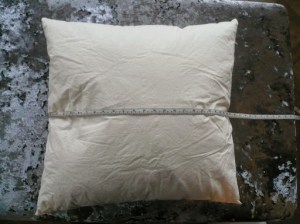
1. Get your cushion pads. We used some we had already had in the cupboard.
2. Measure:
We had two that were 23 inches square and one that was 17 inches square. (They were only whole numbers in imperial measurements, so that’s what we went with.)
3. Calculate:
For the big cushion we needed a height of 23 inches, plus 2 inches for seams, and a width of 23 inches x 2 plus 6 inches for overlap (this is the most complicated bit). So that’s 25″ x 52″. For the small one it’s 18″ x 42″. That makes a total we needed of 68″ x 52″.
4. Choose:
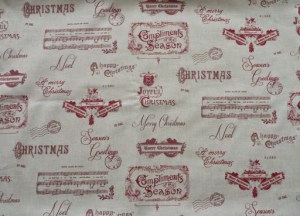
This is Fryetts Fabric ‘Vintage Christmas’ in Rouge:
(To be honest, we saw it ages ago – but didn’t buy it because Christmas doesn’t start til December, right?)
Furnishing fabric usually comes in widths of 54″ so we needed a length of 68″ (or 1.8 metres).
5. Cut:
Because furnishing fabric usually comes in lengths of 54″, we cut two lengths 25″ x 54″. That meant for the larger cushions the overlap of the ‘envelope’ would be a bit bigger, but the hemming would be easier, because of the selvedge, the self-finished edge of the fabric, which doesn’t fray. For the smaller cushion, we cut a length 19″ x 42″, because otherwise it would end with too much fabric wrapped around the pad.
6. Sew:
We put each piece face down turned down half an inch along the top and bottom, pinned and sewed. 
(Always put the pins in at right angles like in the picture – that way you can sew straight over them and remove afterwards. If they are in lengthways, the needle will hit them and break – annoying, time consuming and possibly dangerous if you get a piece of needle in the eye.) The proper thing would be to fold the fabric over on itself, tack down and then sew, but for our purposes doing it this way was fine.
Then we turned in each side edge (selvedge) and did the same.
On a smaller cushion, you have to turn each side hem that isn’t a selvedge over on itself because otherwise it will fray and the strands will shed.
So now you have, for each cushion, a flat piece of fabric with all the edges turned in and sew down. At this stage, don’t be surprised if it looks a bit big!
7. Fold:
We laid it down, folded the left side in and then the right side on top with an overlap. The width should be the same as the width of the cushion pad. Then we pinned the top and bottom edges in place and sewed. 
8. Turn:
We turned the cover inside out, slipped the pad through the gap and plumped up the cushion. The results are in the picture at the top of the page.
So that’s it, Christmas preparations have begun! 
Holidays are coming, holidays are coming…

Happy Thanksgiving!

We love Thanksgiving – and even if you don’t live in the USA, it’s one to celebrate. What could be better than a chance to reflect over a good meal on what really matters? We’re thankful for friends, family, health and good fortune, obviously. We’re also thankful for original ideas and artwork (see above) and all the amazing, creative people who help make our lives more colourful and interesting. If you are reading this, we’re thankful for you too!
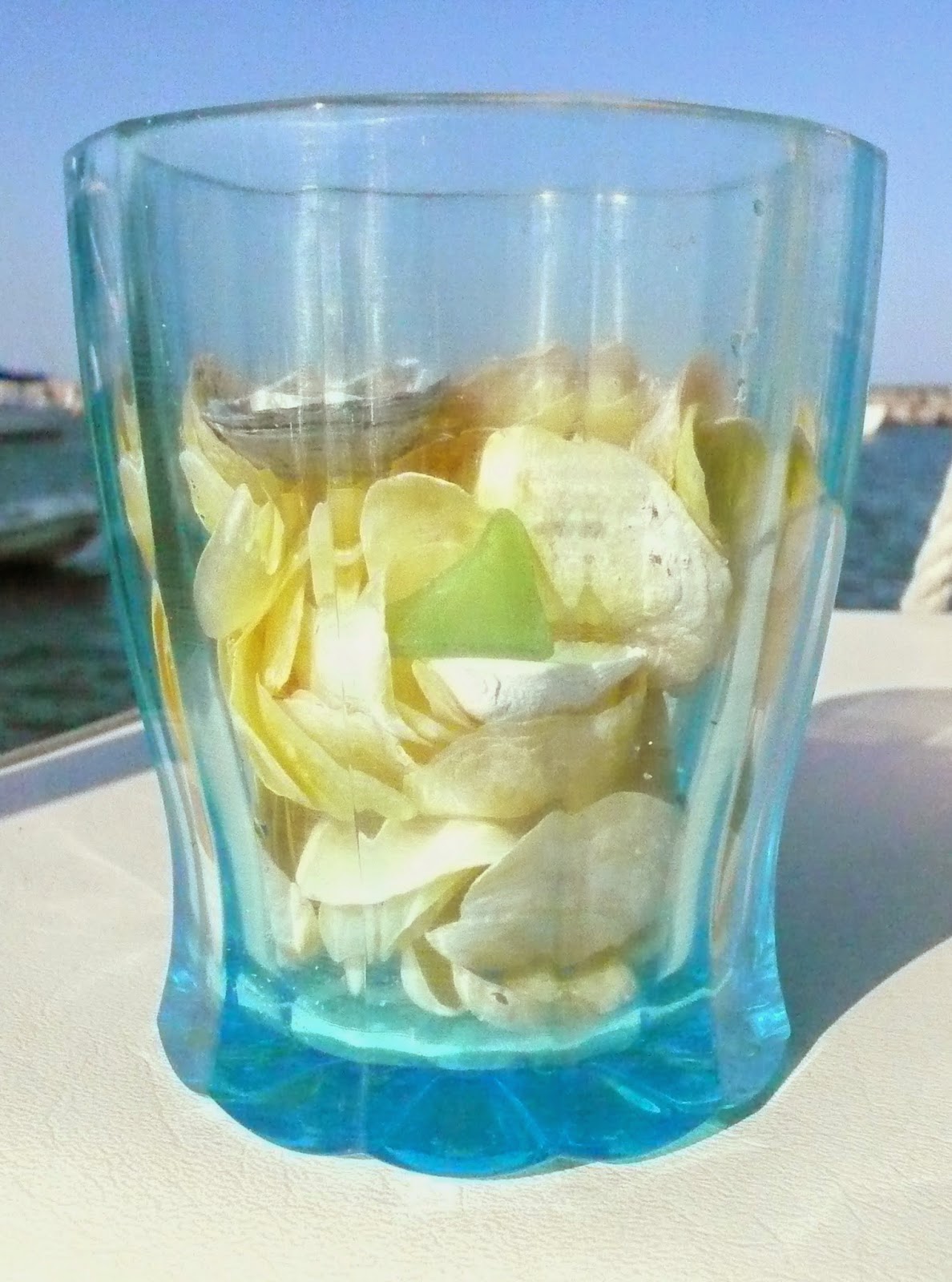
And shells and sea glass, picked up on the beach.
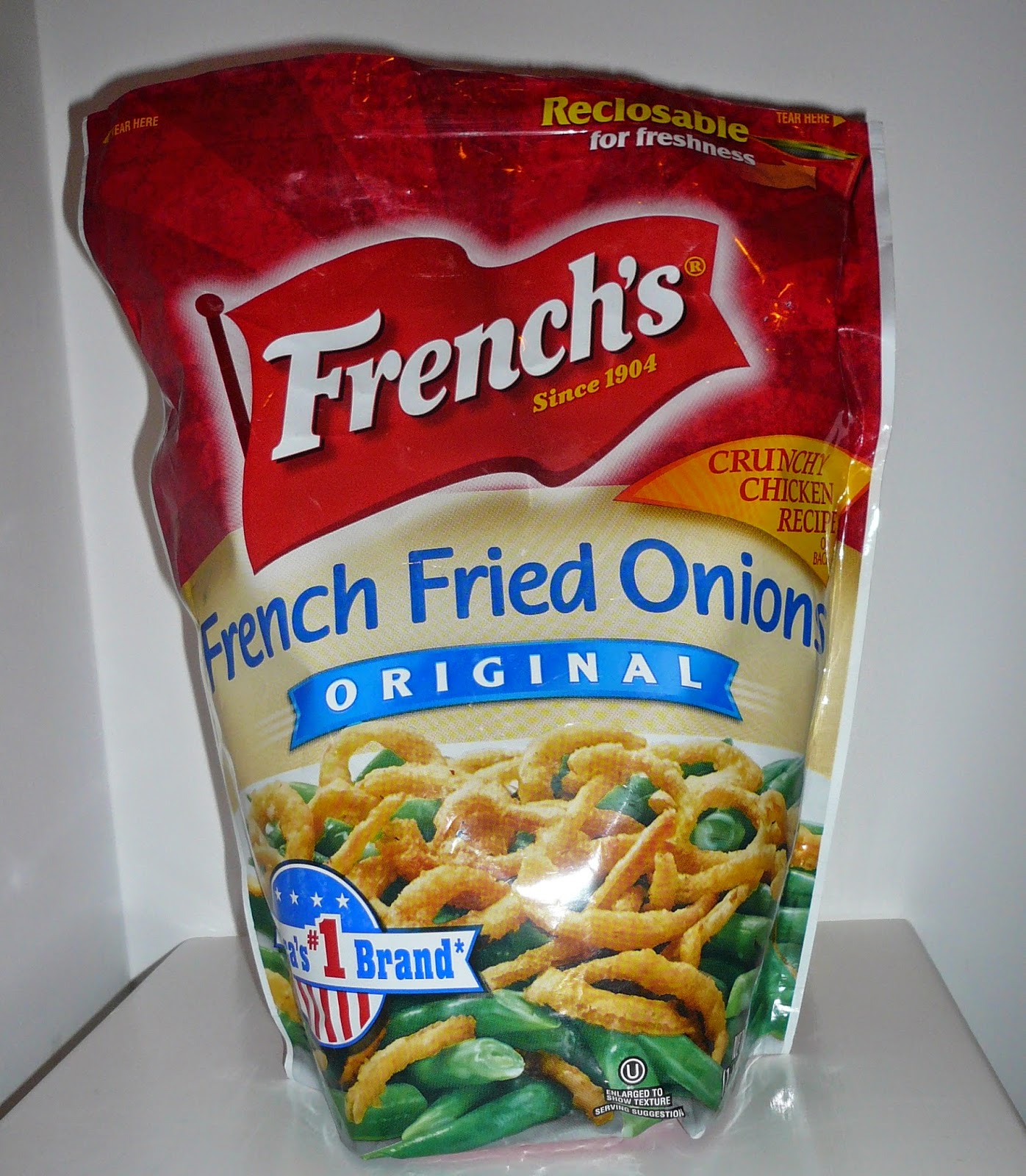
And guilty pleasures like French’s Fried Onions. In catering packs.
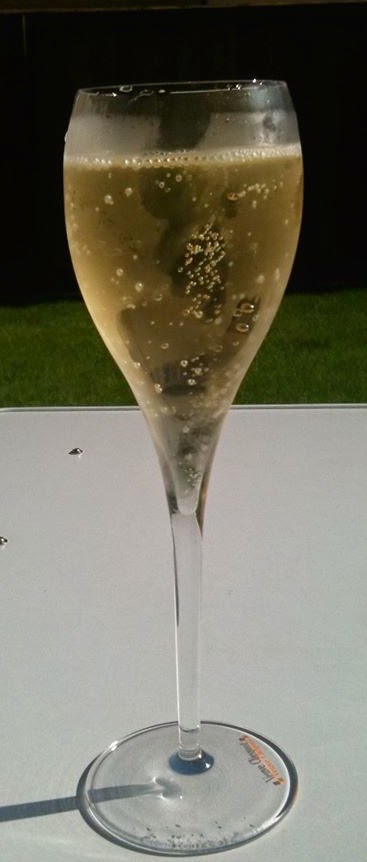
And always, a glass of champagne. Happy Thanksgiving!

Trevor Jones

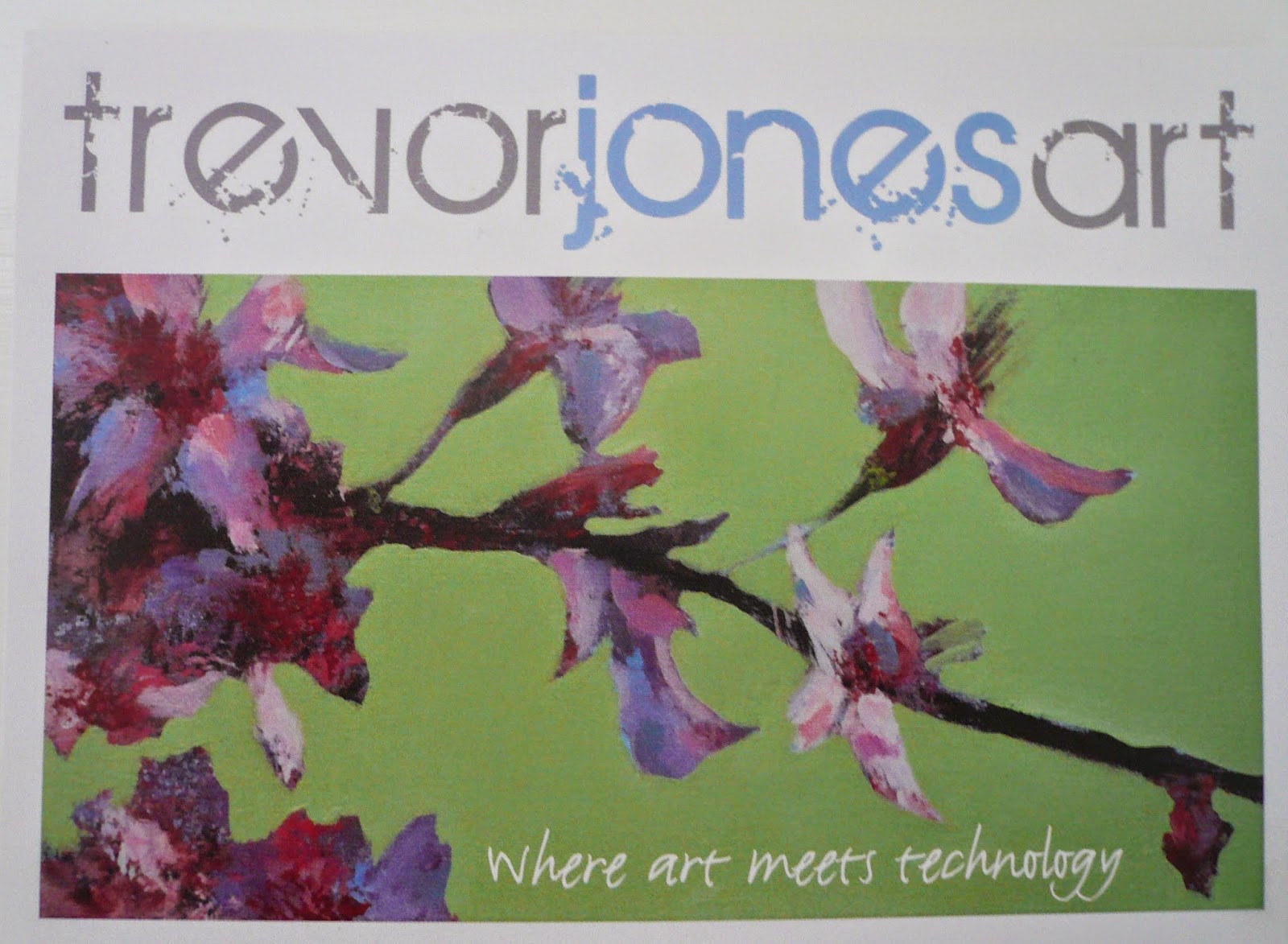
Last week, we went to the Edinburgh Art Fair, which is Scotland’s largest annual art show. One of the highlights was seeing the work of (and getting to meet) Trevor Jones, a Canadian artist who lives and works in Edinburgh and whose work combines oil painting and augmented reality. Scan a painting with a special, free, app (Junaio) and a whole other world is revealed. So, for example, scan the cherry blossoms on his business card with a phone or an iPad and a slightly unsettling walk through the Edinburgh Botanic Gardens unfolds. Scan the painting of the mechanism of the Eiffel Tower and the see in action the mechanism that takes the cars to the viewing platforms.

It’s a bit difficult to explain, but visit his website trevorjonesart.com to see the work in action. Trevor uses technology to enhance the viewer’s experience of his art, but his work isn’t technology-led. He has a degree in fine art and teaches drawing and painting at the Leith School of Art. His slogan is ‘where art meets technology’ and it is clearly art that comes first, with the technological aspect helping to explore what we really see in front of us. The paintings are beautiful in their own right rather than just being a vehicle (and check out the lovely tree drawings on the site).

So it’s exciting stuff and we are looking forward to seeing where Trevor’s art takes him. He takes commissions, so if your decor is missing a truly original artwork, he might be the man to help!

Handsome beasts

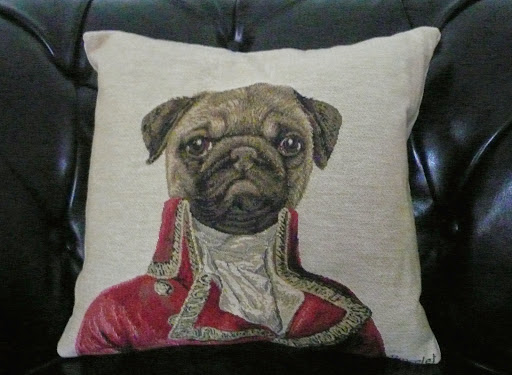
This handsome gentleman arrived yesterday:

He doesn’t look too happy, but he seems to have made himself at home on the sofa and we are delighted to have him. He’ll make several friends here, including this foxy naval officer whose hanging around:

What is it about pictures of creatures with animal heads and human bodies, often in uniform? They are undoubtedly charming and very popular at the moment – but why? Because when you think about it, it is a little curious…

We think it can all be traced back to Charlotte Cory, who is now the Artist in Residence at the Gilbert Scott Bar at the gothic St Pancras hotel. In 2007, she held an exhibition in London called ‘Charlotte Cory’s Cabinet of Curiosities’. The idea behind it was to create photographs using Victorian photographic visiting cards and stuffed animals, which she calls ‘visititorians’, so as to avoid describing them as people or animals. This led to a book ‘The Visitors’ and subsequent projects such as an exhibition at the Globe Theatre and an installation at Haworth Parsonage (home of the Brontës). She also produces furniture with some of her designs – have a look on our Pinterest board. You can see Charlotte’s work on her web site. We don’t like to gossip but apparently the Queen has two of her pictures…

In the last few years, creatures bearing the clear influence of her work have started appearing on cushions and prints all over the place, making visitorian charm available to a wider market. Evans Lichfield have some lovely cushions and our fine naval man came from Fab Funky, where there is an amazing selection of prints (and great customer service).

A moment about lightbulbs!

The clocks have gone back, Halloween has been and gone, Bonfire Night is over and the nights are getting dark and cold… a lightbulb moment!

The lack of natural light outside means it’s even more important to have good lighting  inside. There are three kinds of lighting: background lighting, lighting for specific tasks and and lighting to highlight the particularly lovely things in your home. It’s important to have good shades for all of them to look good and do their job. 
After the lightbulb moment, a moment about lightbulbs. For background lighting, there is a place for the exposed bulb look but it can be quite industrial and not the cosiest on winter evenings. Plus, a gentler light can be kinder, if you know what we’re saying. You don’t need help from good lighting, but we’ll take it happily! Have you noticed how most restaurants use ceiling lights with some kind of diffuser shade? That’s because the softer light makes everyone look better. Really. If your dining companion looks at their best, and they think that you are looking at your best (because you are so happy to be with them) and everything is lit with a warm glow, the scene is set for a great evening.
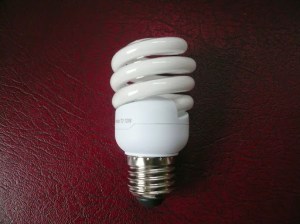
And here’s another reason for using diffuser shades. If your ambient lighting involves ceiling lights the bulb is likely to be in your sightline when you sit down. There was something quite attractive about the the old-style incandescent bulbs, but they are being phased out (they are already banned in some countries, like Mexico) and replaced with more energy-efficient but frankly unattractive ones, like this fluorescent one:
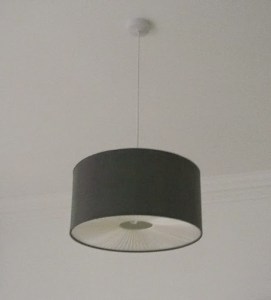
So a diffuser shade gives a softer light and hides the bulb. Here are some examples. This is the classic diffuser – a disc at the bottom of the shade so that light shines through. This one fits flush to the ceiling with the bulbs at an angle inside so that the light is directed through the sides:

This one is suspended from the ceiling and uses pleated fabric to create the diffused effect:

And this has a smaller fabric diffuser but obscures the bulb with crystal drops to give soft lighting and a bit of sparkle:

So – no need to look at those bulbs anymore. They can just go about their job making us look fabulous in secret!