Mauve

Screen Shot 2015-03-26 at 14.08.50

Another one of our occasional book reviews – Mauve: How One Man Invented A Colour That Changed The World by Simon Garfield (published by Faber and Faber, 2013).

William Perkins was a chemist in the 19th century who hoped to find a cure for malaria. He didn’t manage that but along the way he did invent the first aniline dye, a rich purple, in the 1856 when he was only 18. (So young that the patent rules of the time had to be changed to let him register his discovery). Mauve immediately became the fashionable colour and was popularised by Queen Victoria. (Incidentally, the Victorians pronounced it ‘morv’ rather than ‘mowv’.)The discovery of a purple dye in itself might not seem hugely important, but it was a development that had huge effects on industry, academia, politics, photography, medicine, warfare, forensic science… and now Perkins is largely forgotten.

It’s easy to take for granted the huge range of artificially created colours that we see everyday so this book offers an interesting chance to reflect on how different things were before their discovery. (And you might be interested to know that it doesn’t assume that the reader has any knowledge of chemistry. We were!). It’s interesting to speculate about whether the world would seem more drab without artificial colour, or would the existing natural colours have stood out and their existence valued more?

Dan Hillier

P1030687

This is ‘Cecelia Huntress’ and as soon as she has a suitable frame she will be gracing our walls! She’s the work of Dan Hillier and we first saw her round the corner from Dennis Severs’ House, at the Sunday Upmarket in Brick Lane.

A lot of Dan’s work combines Victorian images with animal features – usually fur, feathers, tentacles or claws and there is often something surreal, dark and strange about them. Other images are influenced by iconography, travel and spiritual experiences. He has exhibited in London, Paris, New York and Turin in both solo and group shows.

Limited edition prints are available direct from Dan’s website.

Dennis Severs’ House

Dennis Severs House façade, 2010, photographed from Folgate Street
By Alanwill (Own work) [CC BY-SA 3.0 (http://creativecommons.org/licenses/by-sa/3.0)%5D, via Wikimedia Commons
 Last week we posted about Norton Folgate and the campaign to save it from the proposed British Land development. (And here is just a quick reminder that you can find out all about it and how to protest on The Spitalfields Trust website.)

This week we want to tell you about the place where we first heard about the campaign – Dennis Severs’ House at 18 Folgate Street. It’s a house in a quiet Georgian Street with rooms decorated in styles mainly from the 18th and 19th centuries, but it is not a museum or a stately home. It’s been described as a still life drama or a time capsule and is probably the closest that most of us will ever get to time travel!

Dennis Severs bought the house in 1979 and set about restoring it in an idiosyncratic manner. He wanted to live in the house in a similar manner as the original inhabitants would have done and to give visitors the experience of entering into a painting. When he died in 1999, the house passed to The Spitalfields Trust who maintain it in the same spirit today. The idea is that the house is occupied by a family of Hugeunot silk weavers called Jervis. Visitors never see them, but they are clearly nearby – probably just in the next room. There are fires in the hearth and food on the table. The beds have just been slept in and personal possessions are scattered about. Personal papers and little notes lay around. The only light is from candles and the visitors (who are only admitted in small groups) must be silent. Visitors are also unable to take photos so that’s why this post is rather visually lacking – which is a huge irony given how much there is to see in the house! (Although the combination of candle light and our photography skills would probably not do it justice). There are some wonderful pictures on the Dennis Severs’ House website so do please have a look at it. We’ve also put some pictures on our Pinterest boards.

And one of the most intriguing things is that there seems to be a mystery, or maybe even mysteries. Why is there a cup smashed on the floor? Clumsiness or temper? Was it just the collapse of the British silk industry that lead to the Jervis’ losing their fortune or something else? And we have a theory. About Sophie. But it seems indelicate to talk about it…

The house’s motto is ‘you either see it or you don’t’ and if you do see it, it’s the most amazing experience – unlike anything else. Even if you don’t get the magic, there are some wonderful interiors and the whole effect is indeed like inhabiting a painting.

Save Norton Folgate

Embed from Getty Images
What? Who? Where?

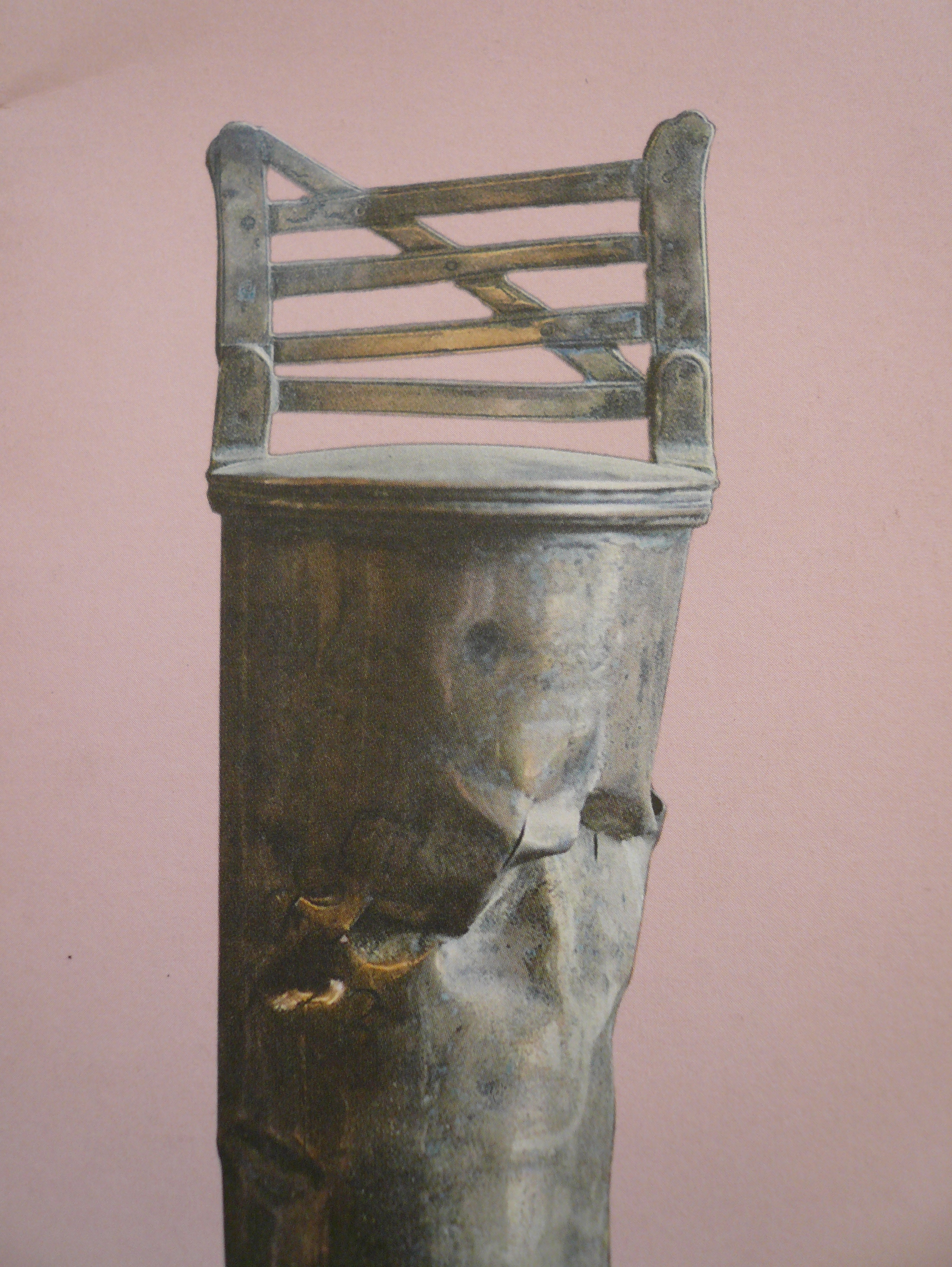
Norton Folgate is an area to the north of Spitalfields in London with a fascinating history. In 1547 it became a ‘liberty’, which means that it was governed by its residents. The Liberty of Norton Folgate was ruled by 10 ‘Ancient Inhabitants’ – actually elected officials who could be either men or women. Their powers let them organise street lighting,  their own watchmen and initiatives to help the poor. They could even perform marriages and burials independently of the church, all of which was very forward thinking for the time. The Constable of the Liberty had a staff to symbolise the authority he wielded on behalf of the people – it’s London’s oldest staff of office.

P1030677

It’s thought that Shakespeare lived in the area briefly (the tax records indicate that he did) and Christopher Marlowe definitely lived there in the sixteenth century. In fact, he wrote at least part (if not all) of Doctor Faustus during that period. In the seventeenth century the area was settled by many Huguenot silk weavers and the industry first flourished and then declined.

Norton Folgate was also the site of the first stage production of Dicken’s work in 1837 (The Pickwick Club – actually produced before the author had finished writing it). The liberty continued until 1900 when the area became part of the Borough of Stepney under the LCC. It’s always been a mix of art and industry, residential and commercial occupancy.

So now to the problem. British Land, one of the largest property development and investment companies in the UK want to redevelop the area. Their plan is to demolish 72% of the buildings on the piece of land that they own, all of which is in a conservation area. In their place, they want to build a collection of office blocks 11 – 13 storeys high. If the plan goes ahead, not only will historically important buildings be lost, the character of the area will be destroyed. Forever.

The Spitalfields Trust (which has already saved the area once) is campaigning against British Land’s plan and has put forward an alternative redevelopment which would keep existing buildings and add new ones in a mix of traditional and contemporary styles.

Can we ask you a favour? Please visit The Spitalfields Trust website and then please consider writing to Tower Hamlets Council to object to British Land’s application (details of how to do this are on the site). The deadline for objections was in February, but letters and emails will be accepted right up until the Hearing of Application  which is likely to be in April. Please? Go on…

P1030678

Another cake!

P1030650

Remember the heart-shaped cake we made for Valentine’s Day? Well, we used the heart mould to make this guy for a birthday. We made the same chocolate cake and then cut it in half. We used the top half for the dog’s face, as it was slightly domed, and then cut the bottom to make the ears. It’s easiest to use the   top as a template and cut a curved shape so that they fit together properly. There’s a boat-shaped bit of cake left over – cook’s perks!

P1030652

Then we just decorated with two different frostings, some fudge chunks for the whisker marks, two Galaxy Minstrels for eyes and chocolate writing icing for the mouth. The recipient was delighted and we were pleased to have found another use for the heart-shaped cake tin which otherwise is a bit occasion specific!

P1030661

Wonder what else can be made out of heart-shaped cake?

An answer to the cheeseboard question

Can we share something with you? Until this week, we have never owned a cheeseboard (as in a board that you put cheese on) although many cheeseboards (as in selection of cheeses) have been served and eaten. They just seemed to cost a lot for something that does the same as a large plate or a wooden chopping board. Why bother with an item specifically for one job when something else in the kitchen can just get on and multitask like the rest of us?

On the other hand though there’s that nagging feeling… wouldn’t a purpose-made cheeseboard look better? Shouldn’t real, mortgage-paying grown-ups have a proper cheeseboard and not improvise, like students making do with whatever past tenants left in the cupboards? And the slate ones look really good.

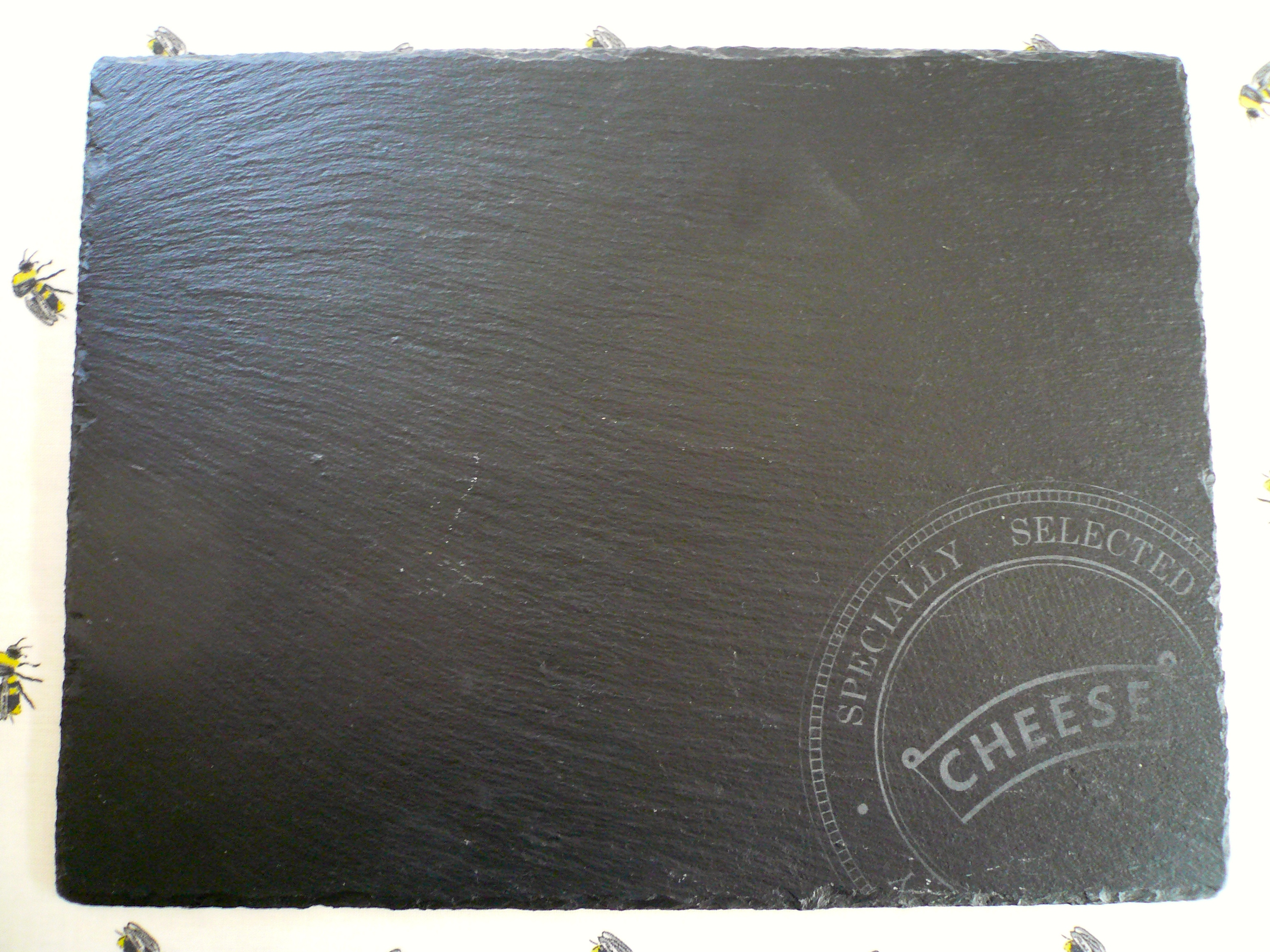
And the question has now been answered definitively (for us, anyway). This was on sale:

P1030647

Not just on sale – reduced by 75%! That in itself was clearly a sign but it gets better. At the till, it became clear that not only did the board not have a price label, other than the sticker on the edge of the shelf. A very apologetic man spent a couple of minutes looking and then decided that as he couldn’t find one after asking us to wait, he would sell it for half the reduced price. Which means a total saving of 87%! And as you know if there’s one thing we like better than lovely things, it’s lovely things at bargainacious prices.

While we’re talking about cheese, can we recommend this Buzzfeed article on How To Put Together A Great Cheese Plate At A Regular Supermarket? (Some of the brands mentioned aren’t available in UK supermarkets, but that doesn’t really matter).

So that’s it – not one but two great (grate?) dilemmas solved. You’re welcome!

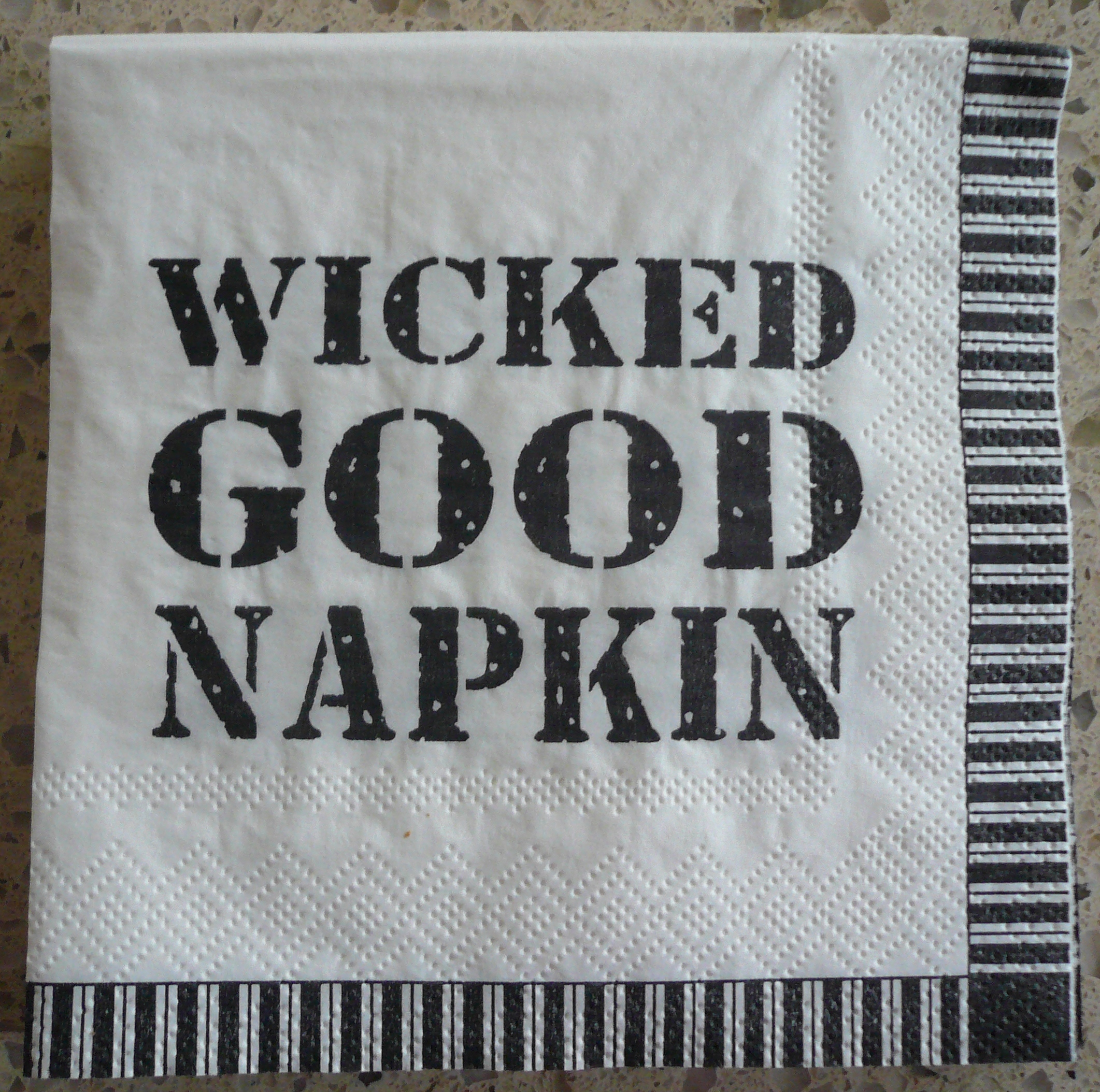
We love a wicked good napkin

P1030637 - Version 2

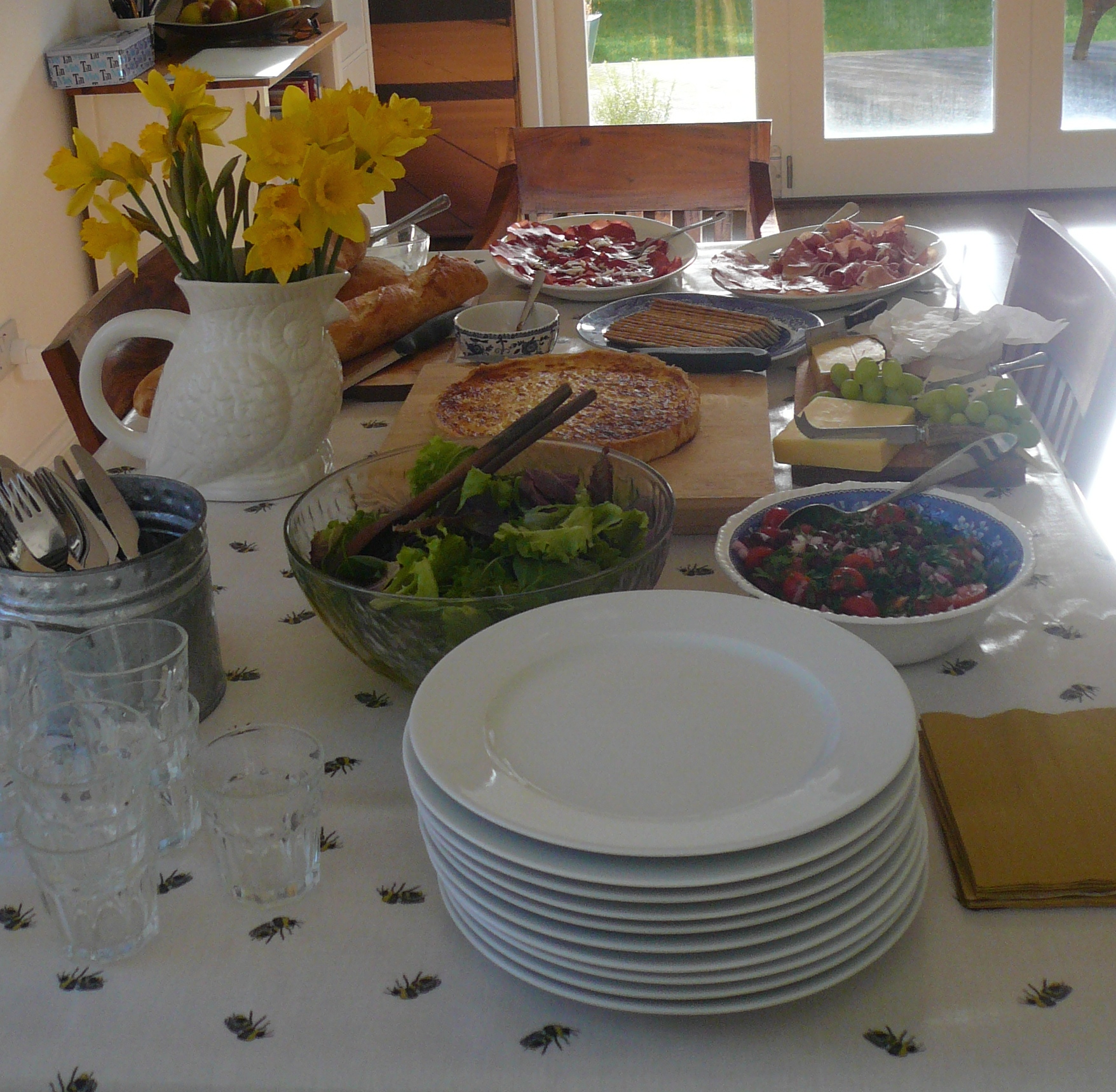
We had some friends round for lunch the other day and used up the last of the paper napkins from Christmas because the gold colour seemed to go with the daffodils. (It was fun – it would have been so nice if you could have joined us!)

White linen napkins are beautiful but they are such hard work to launder and starch after every use that a well-chosen paper one seems like a more attractive option, at least for less formal events. In fact, we love a:

P1030639

And that says it all really. But here are a few more from the cupboard:

P1030641
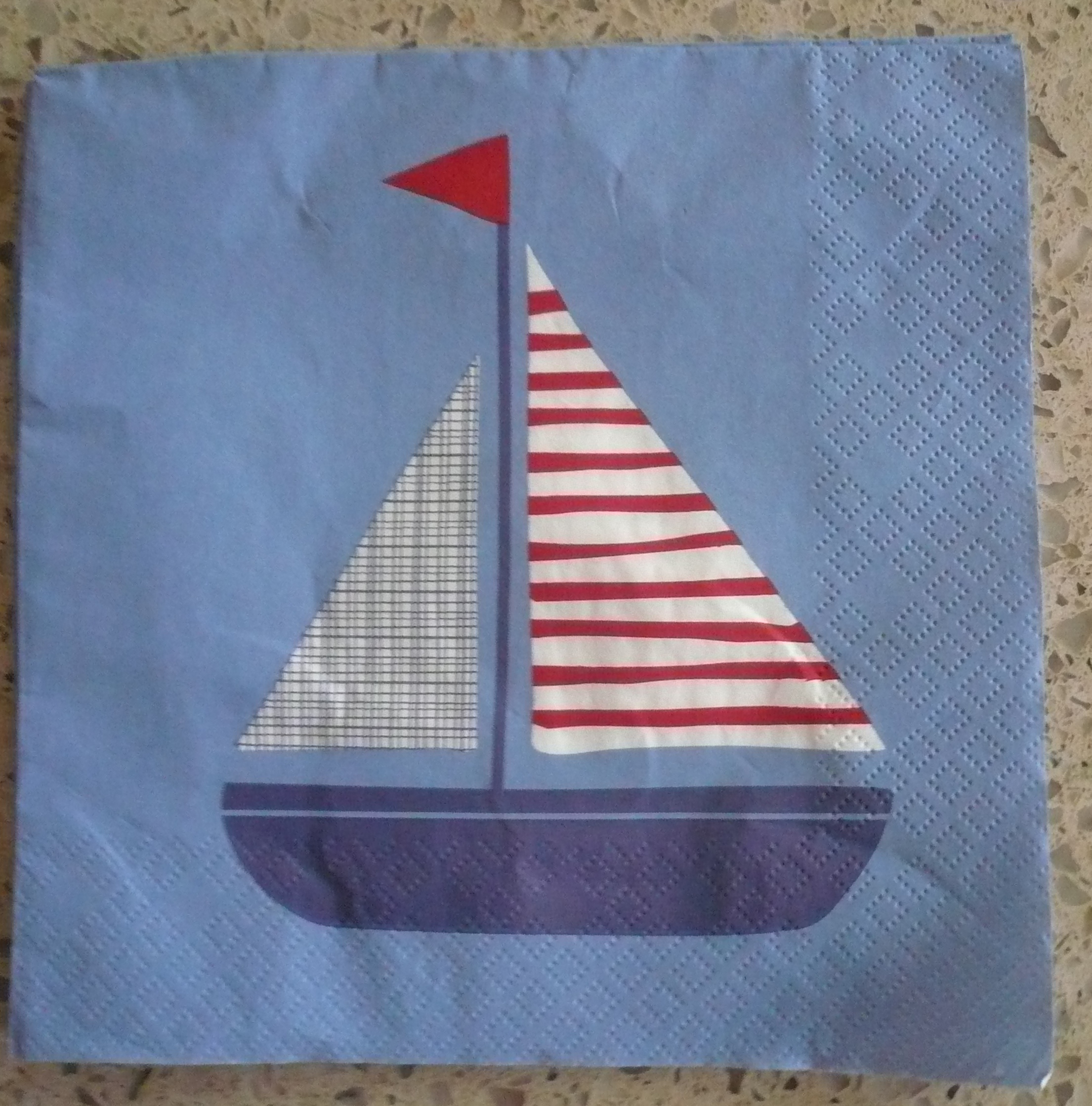
You can’t go wrong with a nautical theme
P1030642
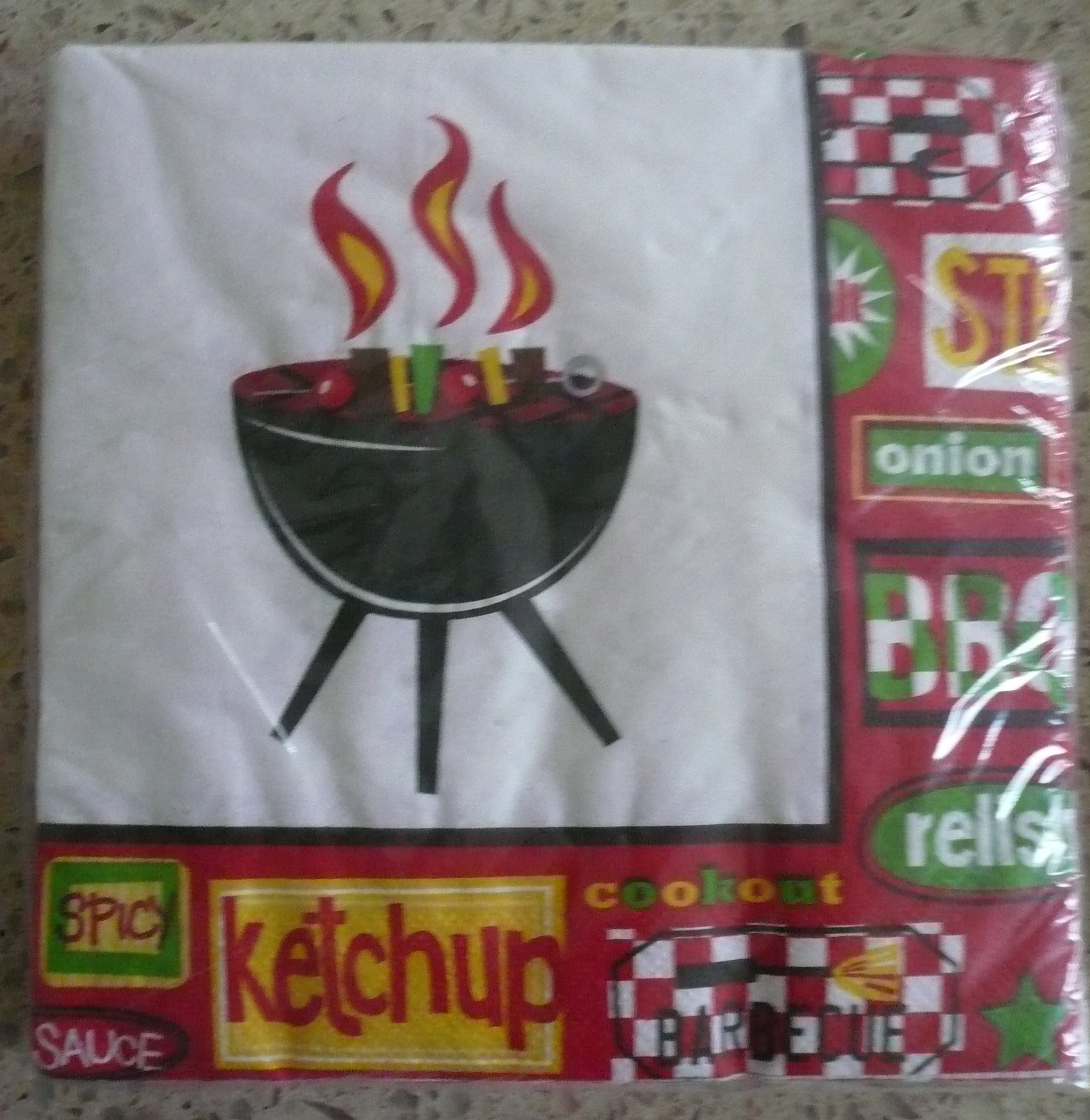
Love these kitsch barbecue ones!
P1030643
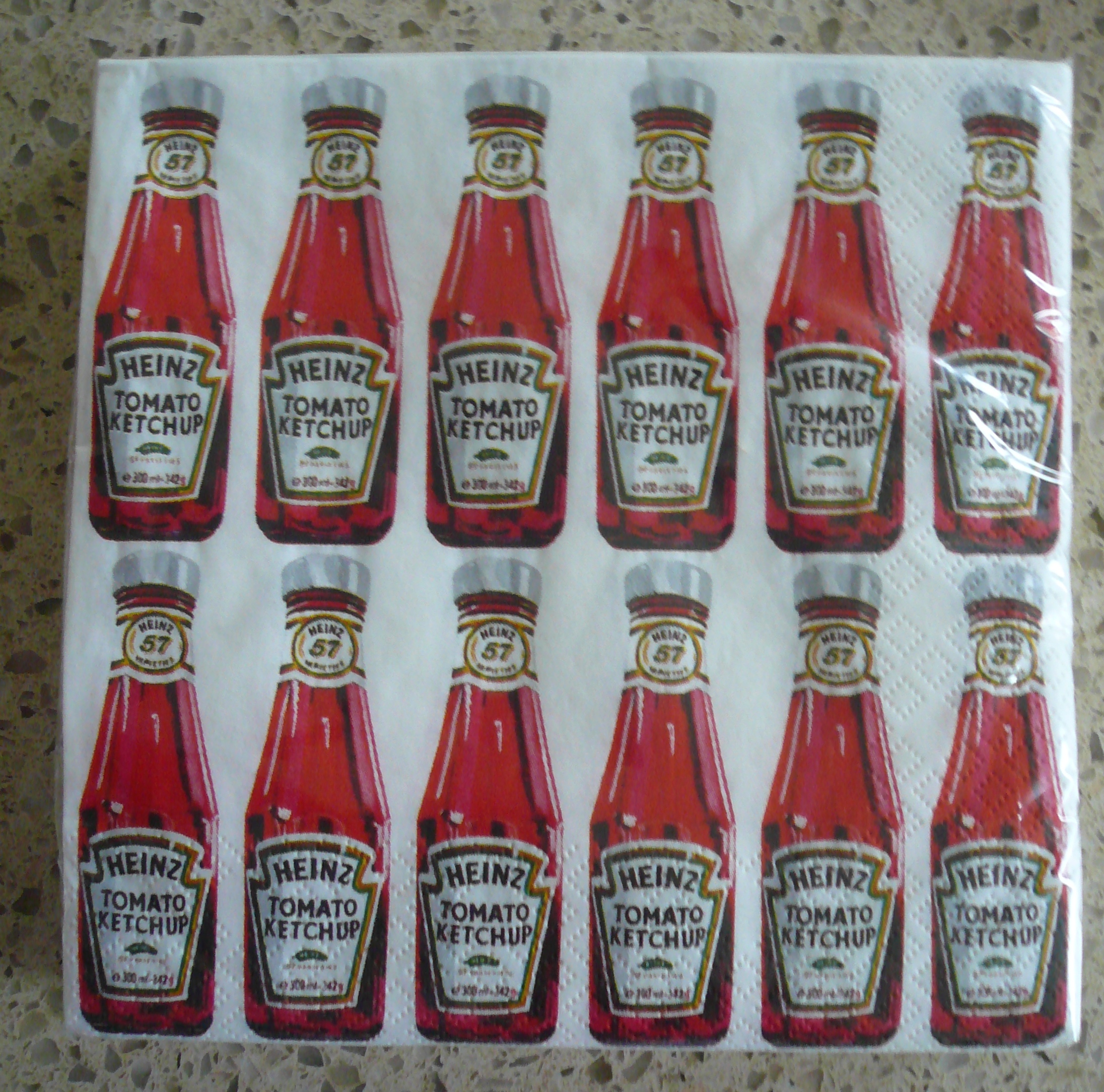
These are waiting for someone’s birthday (it’s their favourite vegetable)

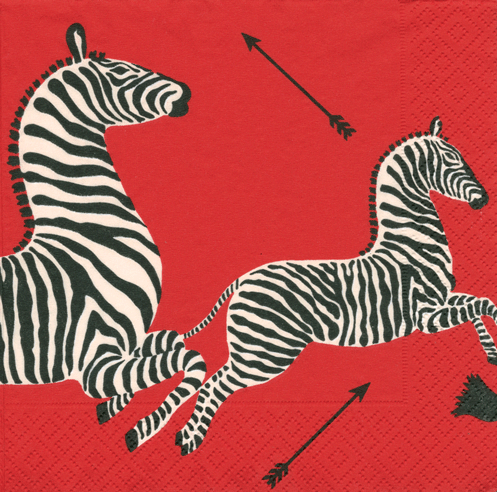
And there is always room for more… we can’t think of an occasion when we would need these zebra napkins from the Caspari website, but we really want some anyway (you know, just in case we throw a leaving party for someone off to hunt zebra. Could happen…):

NL12180

Every napkin makes a statement, some in a more obvious way than others!

image

If you have a wicked good napkin, why not share a picture of it on our Facebook page?

Galanthomania!

No, we’d never heard of it either but it turns out that ‘galanthomania’ means ‘obsession with snowdrops’. Love a good new word!

Embed from Getty Images

We thought that they were pretty little flowers that are the first to appear after the winter and generally make us feel happy about the approach of spring. (Sorry if you are reading this somewhere still under feet of snow.) But it turns out that some people are far more passionate about them and comparisons have been made with ‘tulip mania’ in Holland in the 1630s, when tulip bulbs changed hands for vast amounts of money leading to the first recorded economic bubble.

In 2012 a seed company, Thomson and Morgan, paid £725 for one specimen snowdrop bulb. And this month a lady in the UK paid £1,602 to name a new snowdrop variety. At Sir Harold Hillier Gardens in Hampshire, plants are kept in alarm-protected greenhouses and given security guards when they are displayed in flower. It’s not easy to get into the snowdrop business though – they are covered by the Convention on International Trade in Endangered Species of Wild Flora and Fauna (Cites) and that means that a licence is needed to sell a single bulb.  Snowdrops are native to continental Europe but they are also very popular in the US, where bulb prices are driven up further by all the paperwork needed to import the bulbs.

On balance, snowdrops are probably not going to provide a sure-fire get-rich-quick scheme after all. But they do look good and now we have the challenge of dropping ‘galanthomania’ casually into a conversation!

We baked you a cake!

Happy Valentine’s Day!

P1030631

We baked you a cake – a big, chocolatey one. So you will have a slice, won’t you?

In case you were wondering,  the recipe is from ‘How To Eat’ by Nigella Lawson, and as you can see from its rather battered appearance, it’s one of our favourite cookery books (not just because the recipes are delicious but also because it is so well written):

P1030628

If you don’t have a copy, you can get the recipe here. The cake in the book is covered in a delicious sounding chocolate ganache, but we used good ol’ Betty Crocker Chocolate Fudge Frosting.

Another slice? Go on. As someone we know used to say, ‘you might as well as wish you had!’

xox

P1030629

Time to get to work

Embed from Getty Images
Can you believe January is over? No, us neither. But it’s February and that means one of two things. Either the spring sun light will soon be shining its unforgiving light through those streaky windows and onto every surface in the house; or the snow will be reflecting and intensifying the winter sun light into unforgiving beams shining through those streaky windows and onto every surface in the house. Whichever, it’s time to think about spring cleaning, because there is absolutely nothing fabulous or lovely about dirt.

On the other hand though, cleaning itself doesn’t really count as fabulous or lovely either. You probably won’t be surprised that we have some tips for getting the stuff done as quickly and efficiently as possible so that we can all get on with more interesting things. (Have you seen the lovely new homeware in Anthropologie?)

First of all, you really don’t need a massive amount of cleaning products in the cupboard, but make sure that you keep a few where they are needed. For instance, keep antibacterial wipes and bleach in each bathroom so when you see something that needs a clean, you can do it straightaway. Oh, and if you have more than one floor in your home, find a corner in a cupboard on each for a duster, polish and spare bin bags and that way you won’t waste time carrying things up and down stairs.

On the subject of cleaning products… here is a little secret. You know when you stand in front of a whole display of them and they whisper ‘Buy us! All of us! You can take us home, leave us in the cupboard under the sink and our very presence there will not only magically clean your house with no effort on your part, but also give you the key to everlasting happiness’? It’s not true. Really. You can trust us on this. You’ll only be disappointed. (Look at it this way – if it were true don’t you think we would have shared by now?) There is one gadget we love though (and it’s just the thing for those streaky windows we mentioned earlier): this baby, the Karcher Window Vac:

WV_50

It sucks up water without leaving streaks, so to clean glass all you have to do is wipe it with warm water and a drop of washing up liquid using a micro fibre cloth, then suck up the water. As well as windows, you can use it on mirrors, glass doors, glazed picture frames and tiled walls. You can buy a special cleaning concentrate and a spray bottle with a microfibre head but see above! You really don’t need them!

Now windows don’t need cleaning often, but somethings do and the best advice for those is: have a routine. Do a proper clean of each room once a week and then all it will need on the other days is a few minutes tidying up and wiping down. That way you set an easy target for each day, feel virtuous when you achieve it and – this is the important bit – still have time for other things!

However, one thing we think should be left to the professionals is oven cleaning. Whatever the latest product is, it takes ages, smells foul, involves scary chemicals and the results never seem to look really clean. Most of the oven cleaning companies operate on a franchise basis so it’s worth getting local recommendations as the service from one company to another can vary between areas.

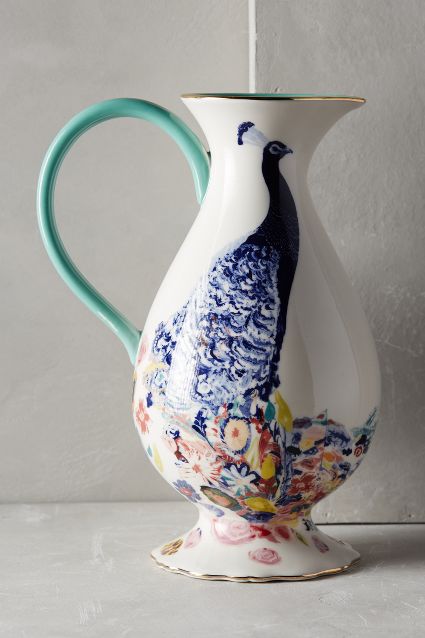
Now that’s sorted, have you seen this jug from Anthropologie? Isn’t it gorgeous?

A7543402421234_040_b